 “Do you want to enhance your language skills? Why don’t you join the social networking world? There are lots of people from other countries,” Cora, a Woosong University student, said.
Cora’s daily routine includes logging onto social networking sites, like Facebook, every day. In the morning, she checks her messages as soon as she gets up. When she comes to school, she connects to her Facebook account and posts comments on her friends’ pages or visits other peoples’ blogs. Cora usually sits in front of her computer networking with her friends or updating her pictures and other information. She is a typical young person in Korean society.
She said, “When I use social network sites, I feel more comfortable communicating, and I’ve made a lot of friends on Facebook.” Social network sites give us a virtual community where we can make friends and chat with others.
In the “Pew Interview Project Data Memo,” Amanda Lenhart and Mary Madden reported that more than 90% of teenagers used social networking websites and also had online profiles, and around 75% of them said that they used the sites to get in touch with their friends.
However, in spite of the possible benefits such as improving self-esteem, the rise in popularity of social networking sites among young people has had negative effects on society because of the risk of health problems and the violation of personal privacy.
The first negative effect is that physical problems will happen among many young people using social networking sites. Connecting to websites for a long time while sitting leads to health problems like weight gain. For example, one Woosong University student I interviewed began using the social networking sites after entering university. Thus, he was sitting in front of the computer too much because it was possible to meet various friends at the same time. In addition, he didn’t need to spend time taking a bus or walking outside to meet his friends, so he became overweight. If he hadn't become overweight, it would not be a problem to society. The key here is that it is not only him, but many young people that have become overweight owing to the amount of time spent in front of the computer. Then it is possible for them to get various diseases, having harmful effects on many young people’s lives. A huge number of young people will go to the hospital in the future.
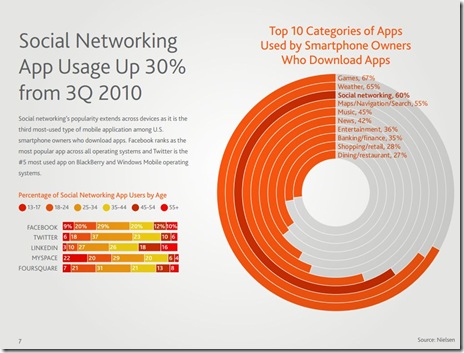
However, it could be argued that some social networking sites could help students improve their self-esteem. It is said that many students build up their self-confidence by showing their personal profiles. Most people agree that social networking site use has definite side effects on society. Although some people say that youth having their own social website is a positive experience, I would argue that the negative effects outweigh the positive.
Not only do social networking sites have health-related side effects, but they also expose lots of young peoples’ information, which means that some predators can use private personal information unlawfully. Violators steal personal information from social networking sites via individual public profiles and use that information for the purpose of their own business. For instance, when Arvin was a high school student, joining the networking sites, he had to fill out forms which included his address, phone number, email, and social security number. After that, some companies began to send him text messages or emails to advertise their products even though he didn’t permit them to use his personal information. He said, “I felt annoyed and scared. I just want more privacy than I’ve had before. It is an infringement of my privacy.” In this way, many companies have unwittingly allowed the abuse of people’s personal information on their website. In other words, only social networking could so readily expose young people to online criminals.
Joining and using social networking sites looks very convenient and useful, but it can cause many young people to get health problems. Moreover, thieves can abuse illegally-obtained personal information from sites which are not monitored by a security system.
Therefore, using social networking sites should be restricted by parents for young people, and websites should try to protect many young people from violators trying to steal their private information.
Guest contributors Tina Park and Jasmin Woo.





 On May 16th, 2012, an up-and-coming new rock band performed for an audience of about 50 people at a local Eunhangdong bar called Brickhouse. Herald staff writer, Kim JiPil was lucky enough to catch up with the band before the show and talk to the band. The following is an interview with Kim JinSeok, leader of the band.


